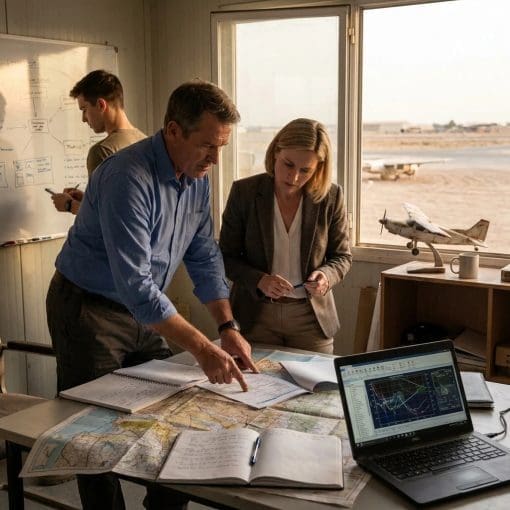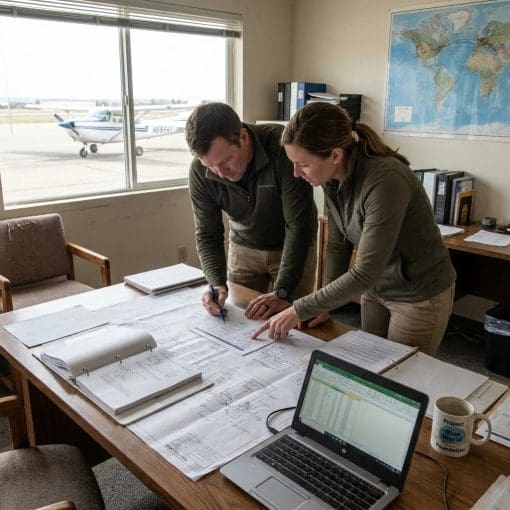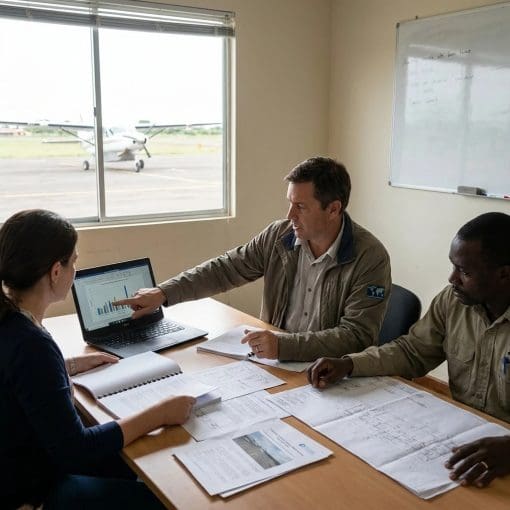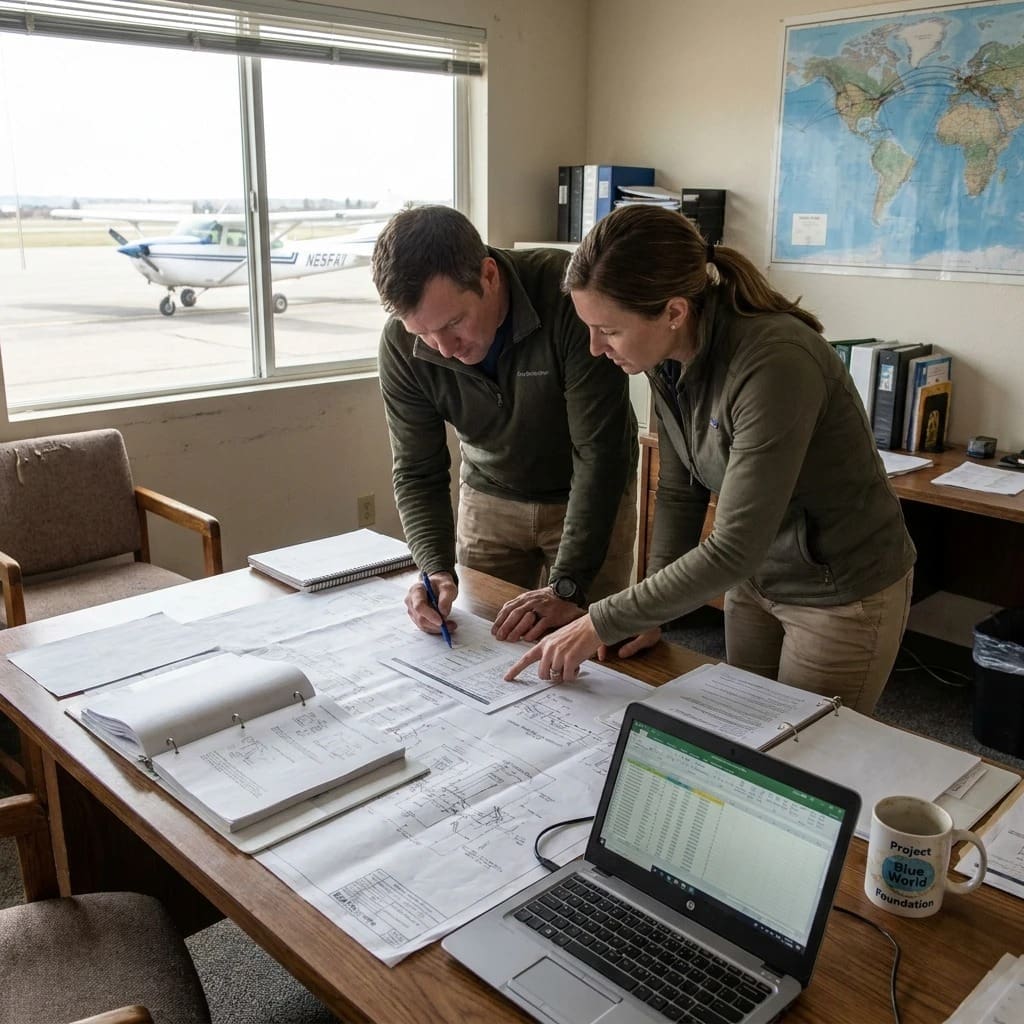
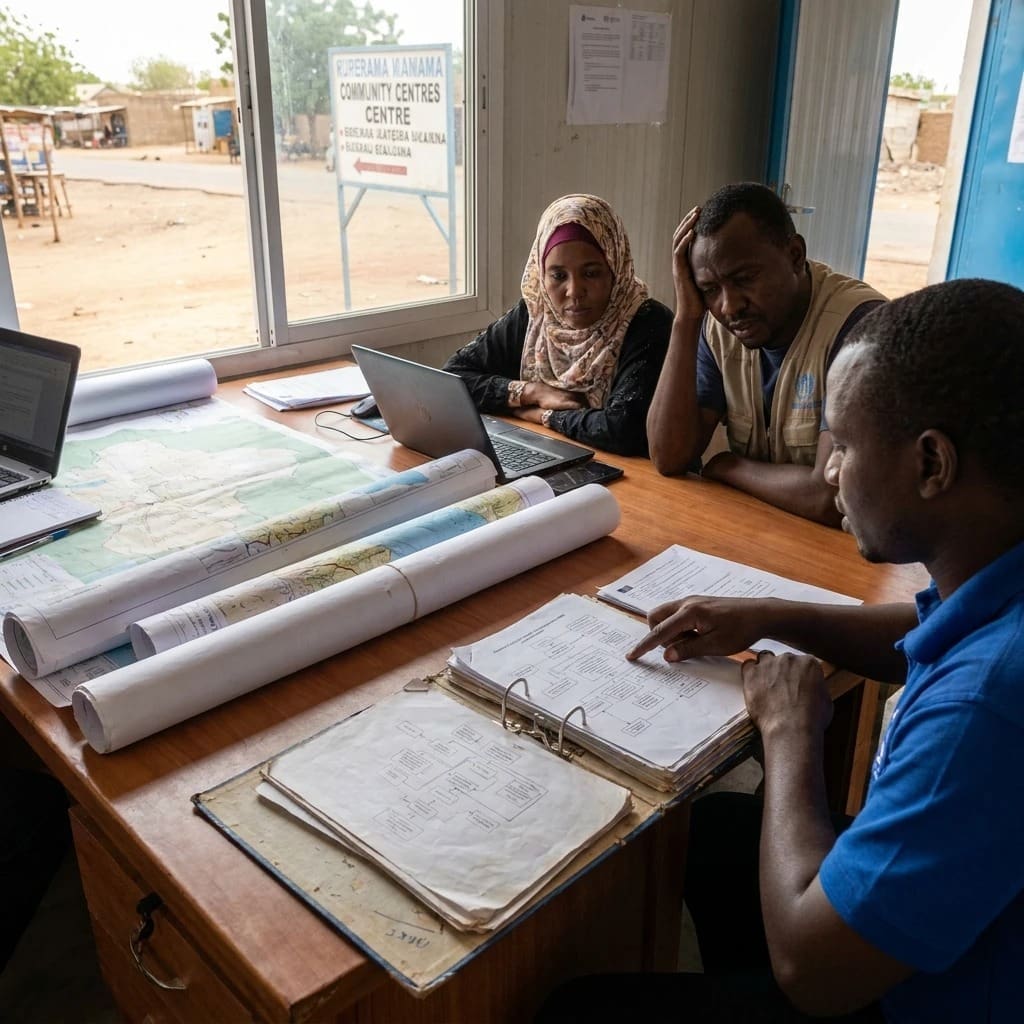
A field-tested way to plan, govern, and deliver projects that involve competing priorities, real risk, and a lot of people with veto power.
Introduction
A pm manager can feel like the missing piece when your initiative has momentum, funding interest, and goodwill, but decisions keep stalling and responsibilities keep blurring. That pattern shows up in aviation and aerospace programs, community infrastructure, nonprofit partnerships, and public sector work where outcomes matter and scrutiny is normal.
Right now, complex initiatives are getting harder to run, not easier. Supply chains shift, regulatory expectations evolve, and partner ecosystems stretch across borders. Even when everyone agrees on the mission, they rarely agree on what comes first, who owns what, and how success should be measured.
This article walks through a simple, usable PM Manager Playbook for complex multi-stakeholder initiatives: what it is, why it works, and how to apply it whether you are a sponsor, donor, government team, project lead, or an expert considering joining a global delivery network such as The Grid.
TL;DR (What You Need to Know Fast)
-
Multi-stakeholder projects get stuck when accountability is shared but authority is unclear.
-
This matters because delays cost money, credibility, and relationships, especially in aviation and public facing work.
-
Teams often assume a good plan is enough, when the real friction is governance, decision rights, and stakeholder alignment.
-
A better frame is to treat delivery as a system: roles, rules, information flow, and escalation paths.
-
The playbook below covers practical steps: setting a mandate, mapping stakeholders, defining decision gates, building a realistic plan, and running a tight cadence that keeps partners aligned.
What Is pm manager in a Complex Multi-Stakeholder Initiative?
In this context, a pm manager is not just someone who tracks tasks and sends reminders. It is a role and a method for turning a shared objective into an executable plan that survives real world constraints: politics, procurement, compliance, and competing incentives.
Think of the playbook as three layers working together:
-
Governance: Who decides, who advises, and how disputes get resolved.
-
Delivery system: Plans, milestones, dependencies, risk controls, and reporting.
-
Stakeholder alignment: Continuous negotiation of priorities, not a one time kickoff workshop.
When these layers are explicit, teams move faster with fewer surprises.
Why pm manager Matters When Everyone Has a Stake
Complex initiatives fail in predictable ways: unclear ownership, fuzzy scope, hidden dependencies, and decisions that never quite land. The cost is not only schedule and budget. It is also partner trust, reputational risk, and the slow erosion of sponsor confidence.
In aviation and aerospace, the stakes feel even sharper because timelines often connect to certification, safety culture, operational readiness, or capital equipment. For nonprofits and community projects, the stakes show up as donor fatigue and missed seasonal windows in agriculture, education calendars, or construction cycles.
A good delivery approach does not eliminate conflict. It gives conflict a safe place to go, so it does not leak into everything else.
The Playbook: 5 Moves a pm manager Uses to Keep the Project Real
1) Start With a Mandate That Can Survive Pressure
Every stakeholder can describe the project, but can they describe it the same way? The first move is a mandate that fits on one page: problem statement, intended outcomes, constraints, and success measures. It should also name what is out of scope.
Here is the offbeat metaphor: without a mandate, your initiative is like trying to run a space launch using sticky notes on a ceiling fan. Motion happens, but nothing lands where it needs to.
Takeaway: If the mandate cannot be repeated consistently by leadership, alignment work is not done.
2) Map Stakeholders by Power, Not by Org Chart
Multi-stakeholder initiatives break when you miss the real decision makers: the regulator who can slow approvals, the operations lead who can refuse handover, the finance partner who can freeze spend, the community group who can mobilize opposition, or the donor who can redirect funds.
A practical map looks at:
-
Decision authority and veto points
-
What each group fears (risk) and wants (value)
-
What information they need to say yes
Around the middle of a Winnipeg winter, people learn quickly that assumptions about conditions get expensive. Project conditions are similar. You do not plan for what you hope the weather will be, you plan for what it is.
Takeaway: Stakeholder mapping is a risk tool, not a relationship exercise.
3) Put Governance on Paper: RACI Plus Decision Gates
A RACI chart (Responsible, Accountable, Consulted, Informed) helps, but it is not enough for complex work. Add decision gates: specific points where scope, budget, design, procurement, or change requests must be approved, with named approvers and required inputs.
Use a simple governance table to make it visible:
|
Governance Element |
What It Clarifies |
When You Use It |
|---|---|---|
|
RACI by workstream |
Ownership and handoffs |
Day to day execution |
|
Decision gates |
Who approves what, and when |
Changes, procurement, readiness |
|
Escalation path |
What happens when people disagree |
Stalls, conflicts, urgent risks |
|
Reporting cadence |
How sponsors stay informed |
Weekly, biweekly, monthly |
Takeaway: If decisions do not have a home, they will wander and block delivery.
4) Build a Plan That Accounts for Dependencies and Proof
Complex programs need more than a timeline. They need a dependency model and proof points. In aerospace and aviation, proof might mean test results, audit readiness, training completion, or verified supplier deliverables. In community initiatives, proof might mean permits, land access, local hiring plans, or partner MOUs.
A pm manager should structure the plan around:
-
Critical path dependencies (what truly blocks what)
-
Verification steps (what proves the work is done)
-
Risk register tied to owners and mitigation actions
Takeaway: Plans fail when they describe work, but not the conditions required for work to succeed.
5) Run a Cadence That Produces Decisions, Not Just Updates
Meetings are only useful if they produce outcomes. The right cadence separates three rhythms:
-
Delivery rhythm: weekly workstream execution and issue clearing
-
Sponsor rhythm: decision gates, tradeoffs, and approvals
-
Stakeholder rhythm: targeted alignment conversations with the people who can unblock progress
This is also where global networks matter. Project Blue World operates across countries with a mix of certified project managers, regional agents, and service providers, which can reduce the time it takes to find specialized expertise or on the ground capacity.
Takeaway: If meetings do not end in decisions, the project is paying for conversation.
How to Apply This (A Simple 10-Day Start)
Use this as a quick start framework when an initiative is already moving, but feels unstable:
-
Day 1: Draft a one page mandate and get sponsor edits in writing.
-
Day 2: Build a stakeholder map focused on decision power and veto points.
-
Day 3: Define governance: RACI, decision gates, escalation path, reporting cadence.
-
Days 4 to 5: Create a milestone plan with dependencies and proof points.
-
Day 6: Stand up a risk register with owners, triggers, and mitigations.
-
Day 7: Set meeting cadences and standard agendas that end with decisions.
-
Days 8 to 9: Run targeted alignment meetings with the top five blockers.
-
Day 10: Publish a baseline plan and a two page sponsor brief.
One practical tip: standardize naming for deliverables early. Nobody wants to reconcile “Final v7 FINAL final” during a board review.
Frequently Asked Questions About pm manager
What is the difference between a project manager and a program manager?
Project managers deliver a defined scope. Program managers coordinate multiple projects toward a larger outcome. In multi-stakeholder work, both may be present, but the governance and decision model must connect them.
When should we bring in a pm manager?
Bring one in when decisions stall, accountability is unclear, there are multiple funding or oversight bodies, or when the initiative includes procurement, compliance, or international partners.
How do donors or sponsors benefit from this playbook?
They get clearer decision points, better visibility into risk, and less chance of funding being burned on rework. It also makes impact reporting more credible because proof points are built in.
How does The Grid fit into project delivery?
The Grid is a global solutions database that helps connect clients to experts and providers. For complex initiatives, that can shorten the time to find specialized support, especially across regions.
Can government teams use this without outsourcing delivery?
Yes. The playbook is a structure, not a vendor dependency. Some teams run it internally, while others bring independent support for governance design, PMO setup, or delivery assurance.
Key Takeaways That Actually Move the Needle
-
A pm manager adds value by making authority, decisions, and proof explicit.
-
Mandate first, then stakeholder power mapping, then governance, then planning.
-
Decision gates prevent drift and reduce rework in regulated, high scrutiny environments.
-
Dependencies and verification steps belong in the plan, not as afterthoughts.
-
A meeting cadence should produce decisions and escalations, not just status.
Complex initiatives do not fail because people do not care. They fail because the system of delivery is left to improvise. The PM Manager Playbook is about replacing improvisation with clear roles, clear rules, and a steady flow of decisions. That is how aviation and aerospace programs stay credible, how community projects protect trust, and how sponsors can fund outcomes with fewer surprises. If you are building across partners, regions, and mandates, structure is not red tape. It is the thing that keeps progress honest. Your next step is to choose which layer is weakest right now: mandate, governance, plan, or cadence.
Call to Action
If you want an independent, professional delivery setup for a complex initiative, contact Project Blue World through our contact page and share a short summary of your stakeholders, timeline, and decision constraints.